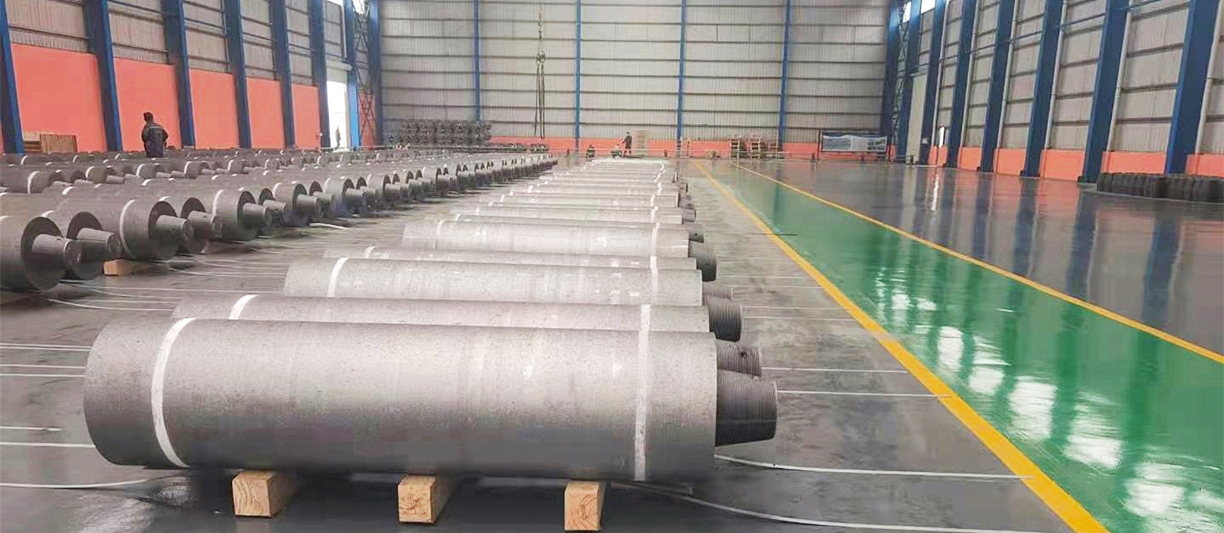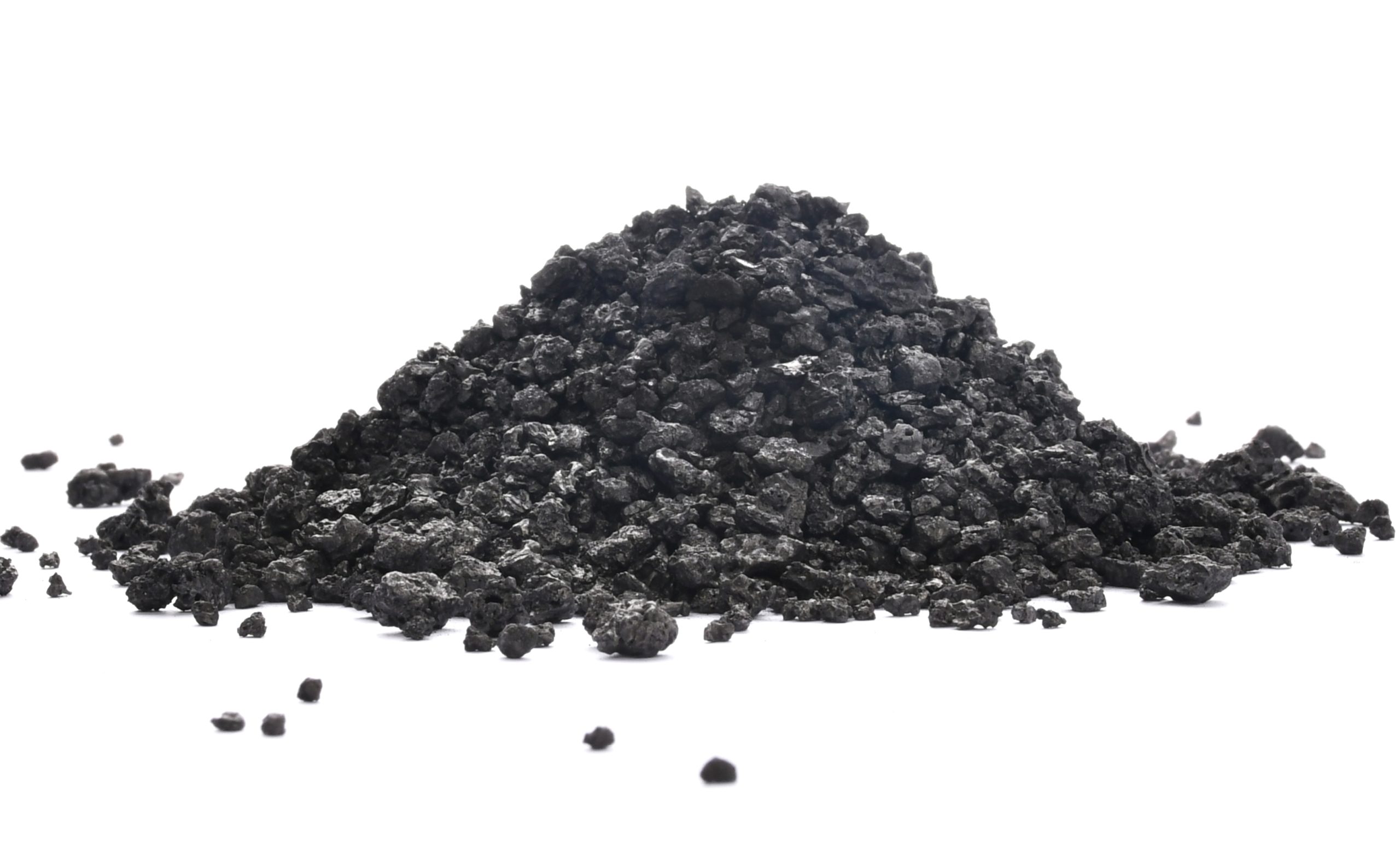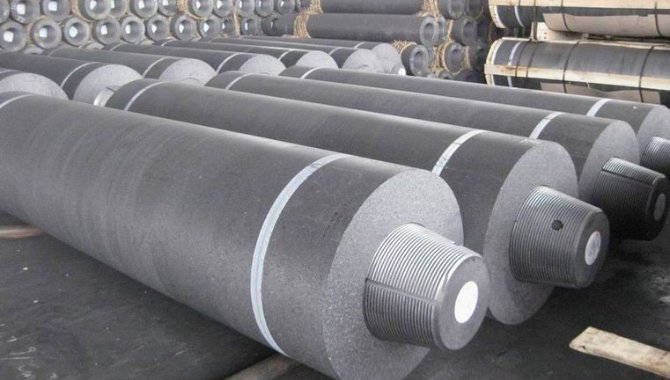
In the industrial production of #Ultra-High-Power (UHP) Graphite Electrodes, graphitization is the most critical high-temperature processing procedure. It is not only the core link to transform amorphous carbon materials into high-order graphite crystals, but also directly determines the final #pore structure characteristics and #service consumption rate of electrodes. A precise and stable #graphitization temperature window is the key to solving the problems of excessive oxidation, rapid sublimation and mechanical fracture of UHP electrodes in electric furnace steelmaking. This article will deeply analyze the internal mechanism of how graphitization temperature regulates the pore structure and consumption performance of UHP graphite electrodes.
 The Essential Logic: Temperature Dominates Graphite Pore Evolution
The graphitization reaction of carbon materials is concentrated in the temperature range of 2300°C–3200°C. With the change of #graphitization temperature, the internal pore size, total porosity, pore connectivity and microcrack distribution of #UHP graphite electrodes will undergo essential changes. Different temperature intervals correspond to completely different pore structure states, which lay a decisive foundation for the later service life of electrodes.
1.1 Low Temperature (<2600°C): Under-Graphitized & Open Porous Defects
When the graphitization temperature is lower than 2600°C, the carbon atom rearrangement is incomplete, and the electrode is in an under-graphitized state. At this time, the internal #pore structure is dominated by large-size interconnected open pores, with a total porosity as high as 25%–35%. The pitch binder in the raw material is only carbonized but not fully densified, and the thermal stress microcracks generated during processing cannot be closed naturally.
In addition, the low-temperature environment cannot volatilize impurity elements such as sulfur, sodium and potassium in the material. These impurities remain in the pores, which will further catalyze the oxidation reaction. The specific surface area of the electrode is significantly increased, forming a high-risk diffusion channel for oxygen and high-temperature flue gas, which is the root cause of the accelerated consumption of low-graphitized electrodes.
1.2 Optimal Temperature (2800°C–3000°C): Dense & Isolated Fine Pore Structure
The temperature range of 2800°C–3000°C is the industrial gold window for #UHP graphite electrodes. Under this constant high-temperature condition, carbon atoms undergo sufficient diffusion and layered stacking, the graphite crystal integrity is greatly improved, and the d002 crystal plane spacing is stabilized at about 3.35 Å. At the same time, the internal large pores of the electrode shrink and close gradually, forming a dense pore system dominated by 0.1–1 μm isolated fine pores.
After high-temperature purification, most volatile impurities are removed, eliminating the catalytic oxidation effect of pore impurities. The total porosity of the electrode is controlled at 15%–22%, and the BET specific surface area is reduced to less than 5 m²/g. The closed and fine#pore structure effectively blocks the penetration of external oxygen and high-temperature airflow, which fundamentally optimizes the anti-oxidation and anti-sublimation performance of the electrode.